Bonding
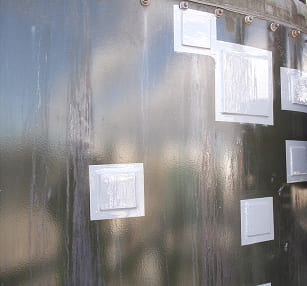
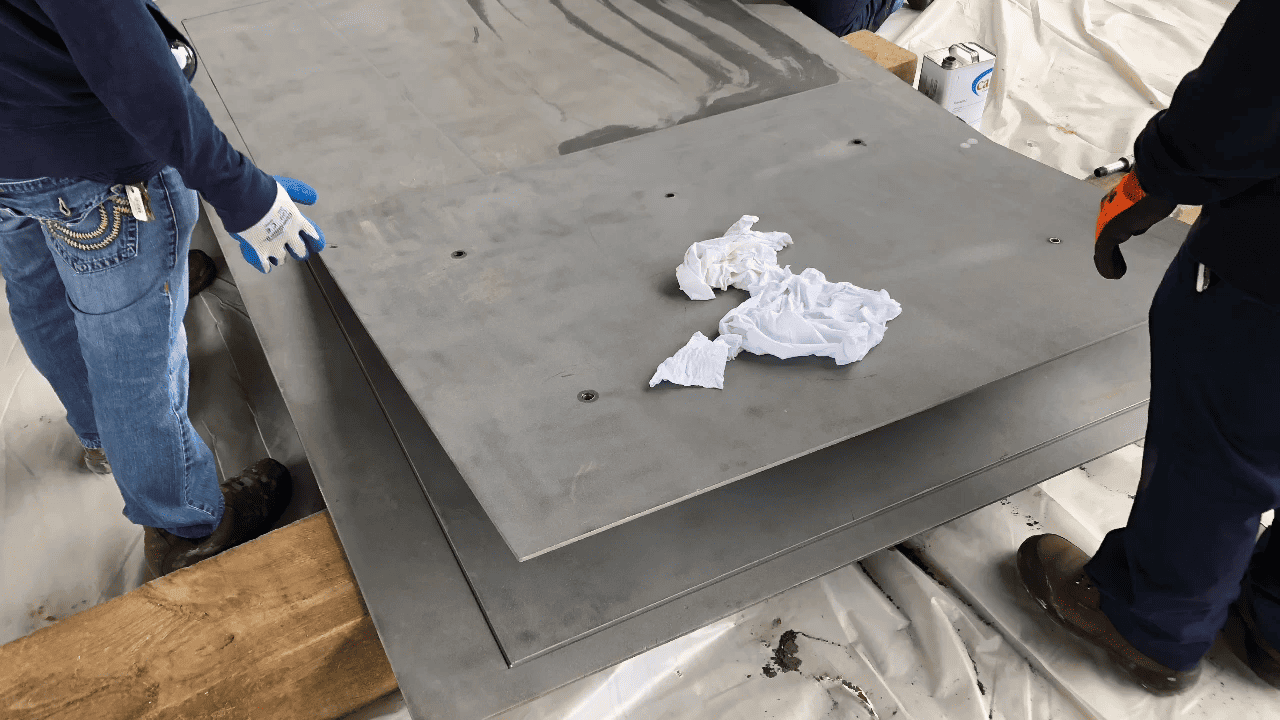
Plate bonding is a versatile solution which uses structural adhesives to glue a metallic plate onto a damaged substrate.
Versatile Solution
- Small and large defective areas
- Fluid- or paste-grade adhesives
- Variable plate geometry
Benefits
- Joining two dissimilar metals without risk of bimetallic corrosion
- Structural adhesives with high heat and chemical resistance
- More uniform load distribution than welding
- Tolerance of dimensional inaccuracies
- Ideally topcoated with composite solutions for contention
FEA Modeling
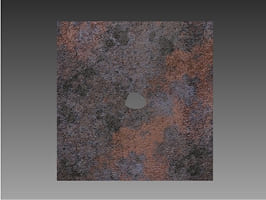
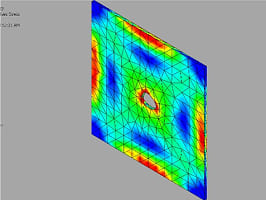
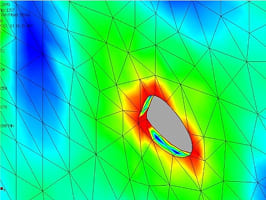
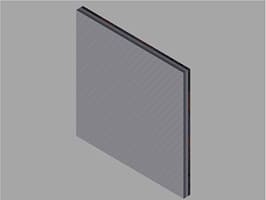
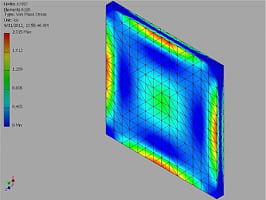
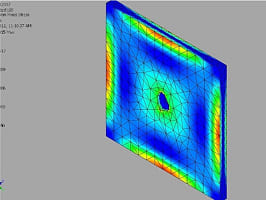
Finite Element Analysis (FEA) can be used to model the distribution of stresses around the defective area both before and after completion of the repair using Belzona materials. This sequence of images illustrates how stresses concentrated around the through-wall defect are significantly reduced once a metallic plate is cold-bonded in place using Belzona structural adhesives
Bonding Techniques
Advantages:
- Quick application
- Single paste-grade rebuilding material
- Less labor
Disadvantages
- Large defective areas are difficult to repair
Advantages:
- Less force required for larger plates,
- both paste- and fluid-grade adhesives can be used,
- easier for complex geometries
Disadvantages:
- Creating a dam or void is an extra process and requires more time
Pipe Support Plates and Wear Pads
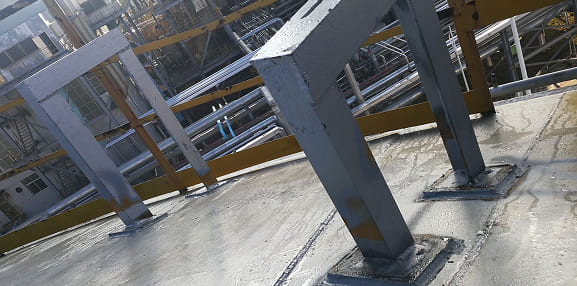
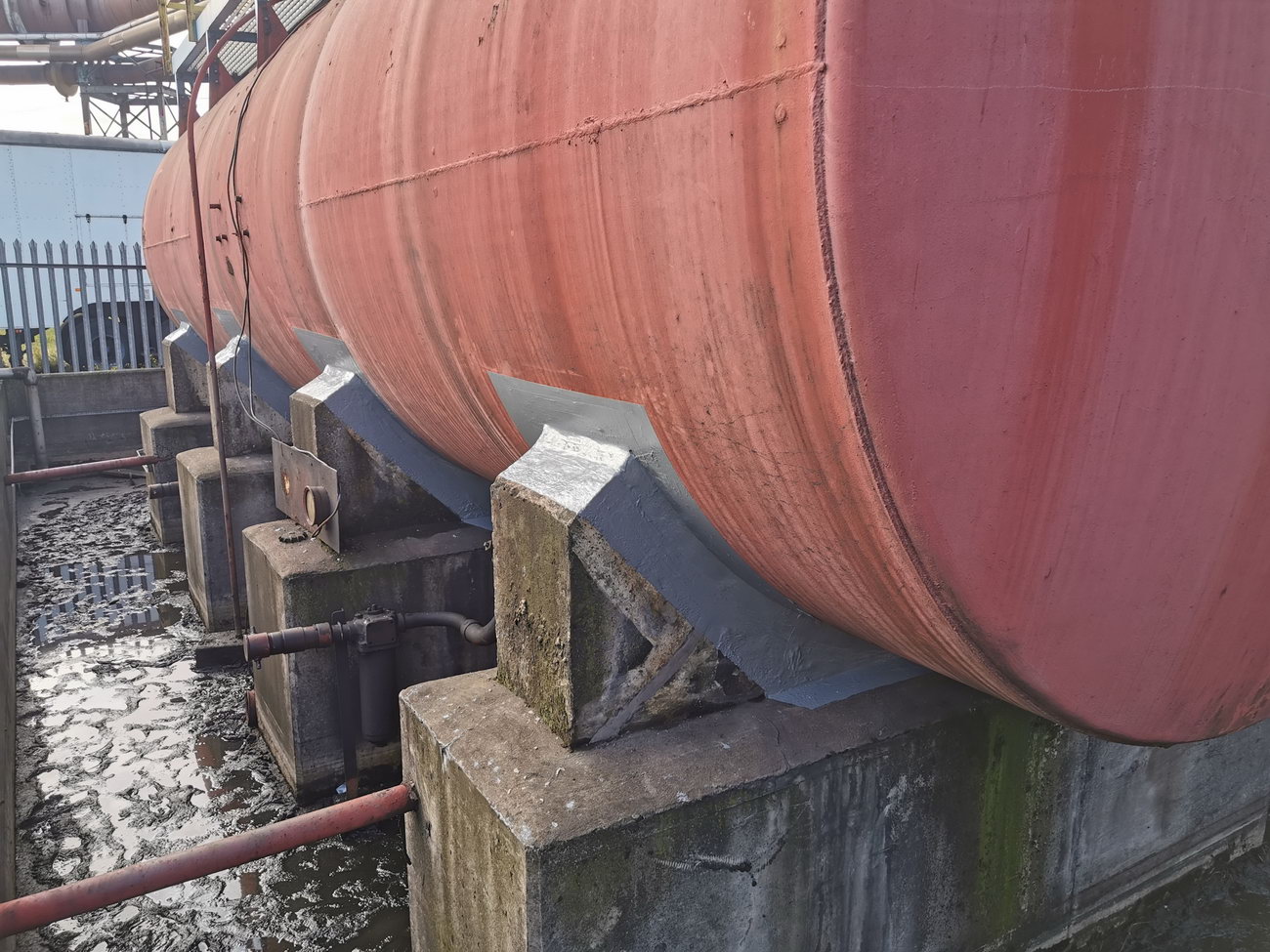
Belzona materials can be used to protect tank and pipe supports from corrosion, vibration, and other forms of deterioration. In this case, a Belzona material was bonded between the tank wall and the saddle supports to seal the joint and mitigate the effects of standing water accumulating in the interface.
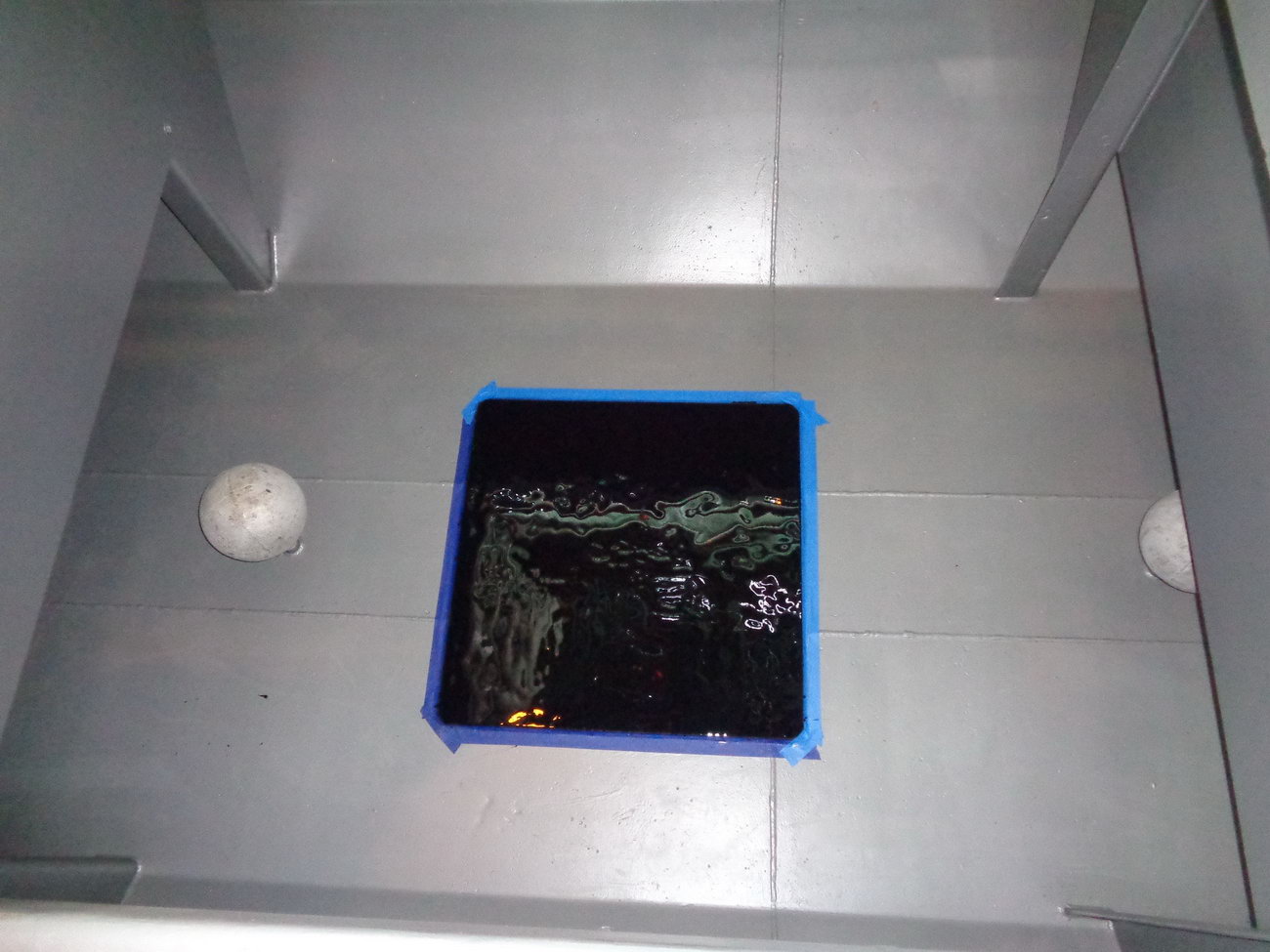
Belzona materials can be applied as wear pads to protect equipment exposed to severe erosion. In this case, an elastomeric wear pad was installed on the bottom of the separator to protect the substrate from erosion caused by the turbulent flow patterns generated by the agitators.
Structural Adhesives
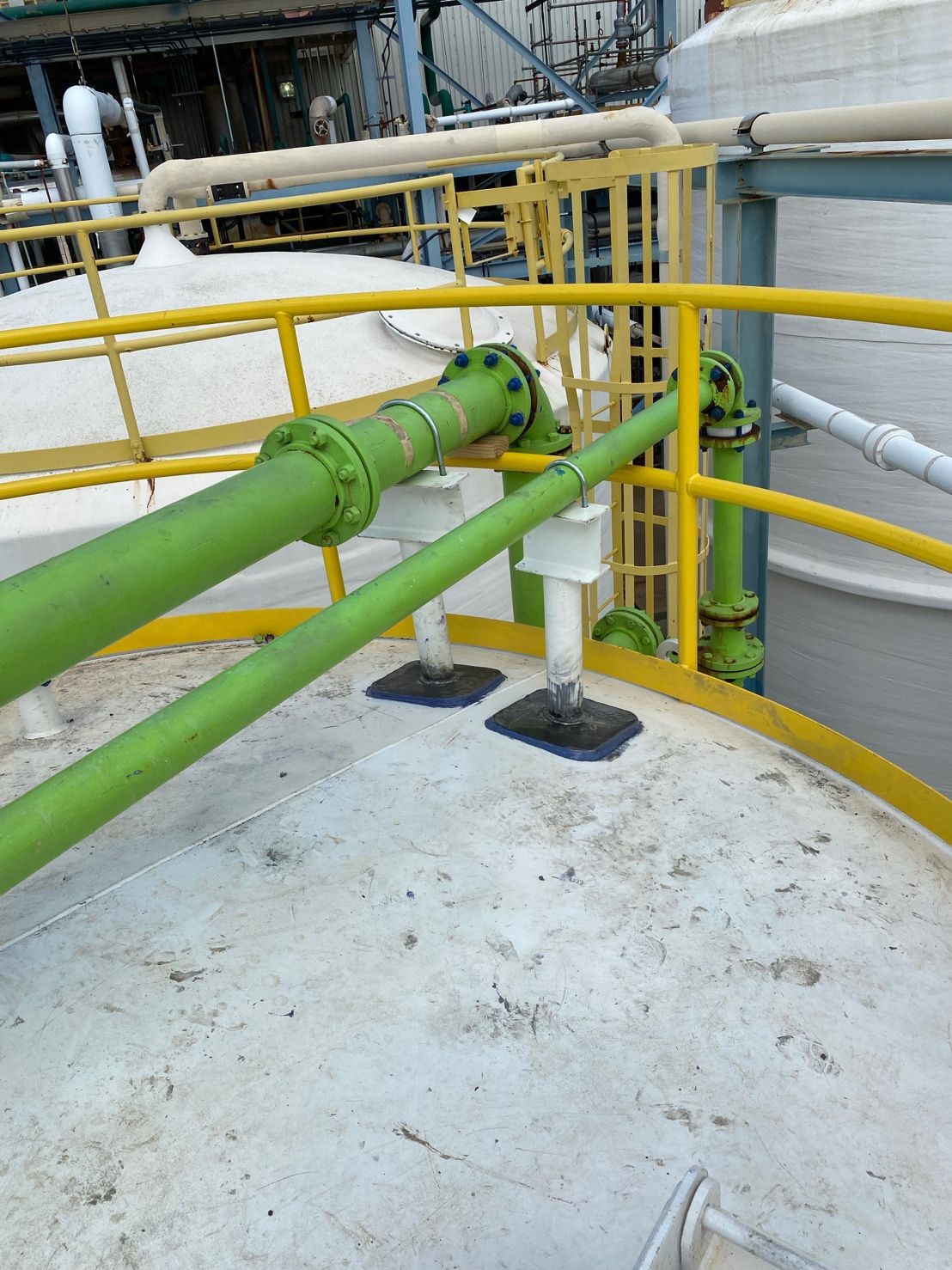
Several Belzona materials can be used as structural adhesives in applications requiring high compressive strength, corrosion resistance, and chemical resistance. In this case, a Belzona product was used to bond pipe supports to the top of a newly rubber-lined sulphuric acid tank.
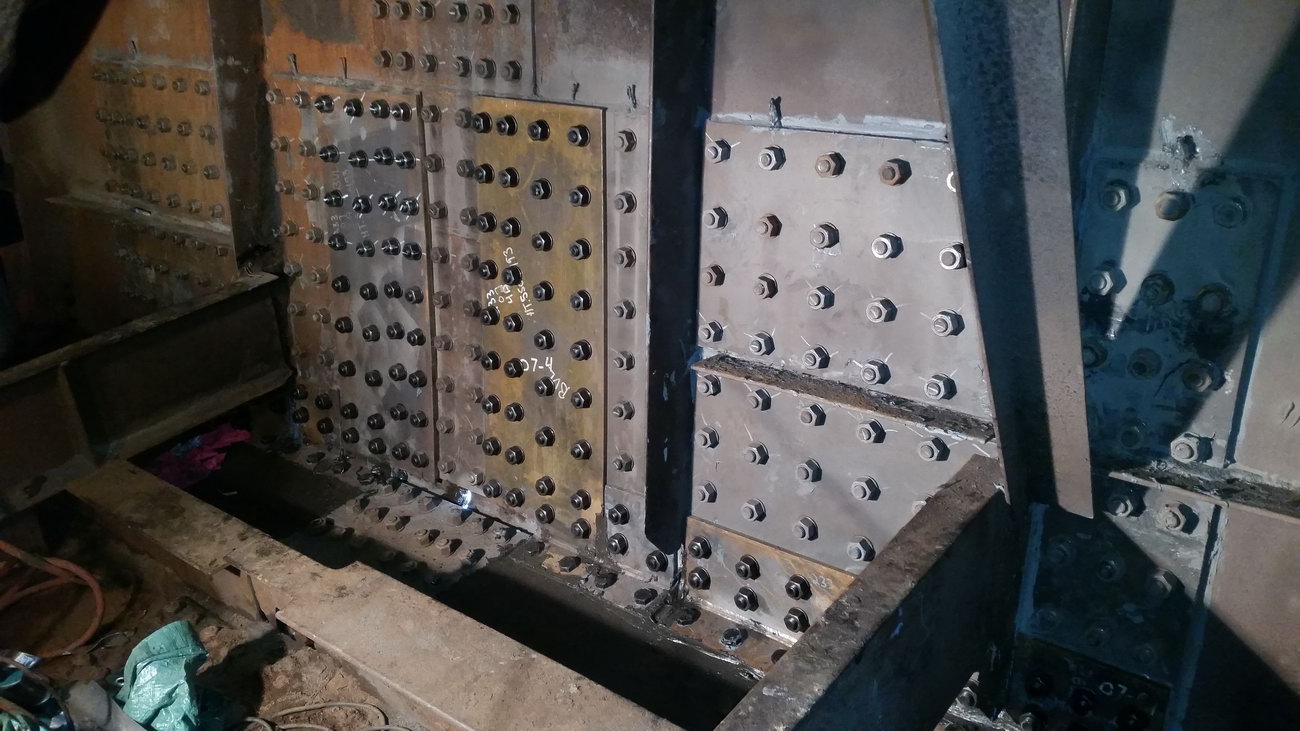
Certain Belzona materials can also be used as structural adhesives for cold bonding of plates. In this case, water ingress into a bridge box girder had caused severe corrosion, resulting in pitting, through-wall defects, and localized wall thinning that required reinforcement. Welding was not an option, so a Belzona material was employed to mechanically bond plates.