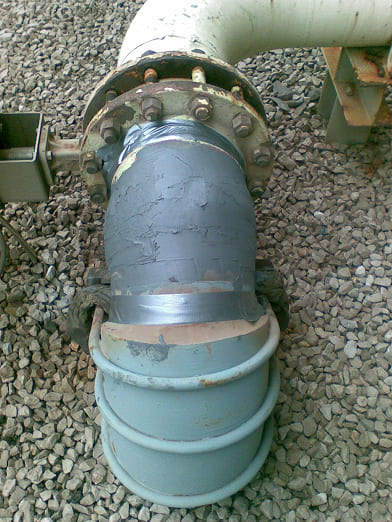
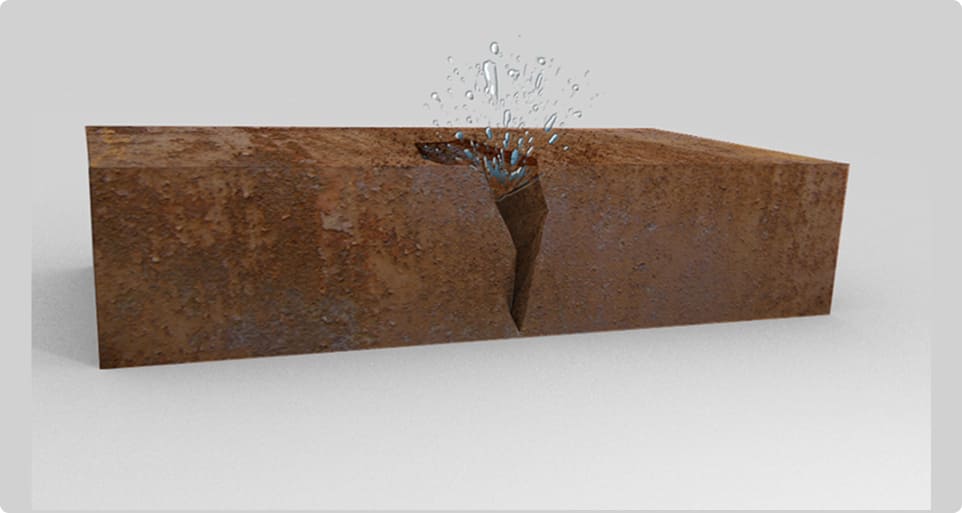
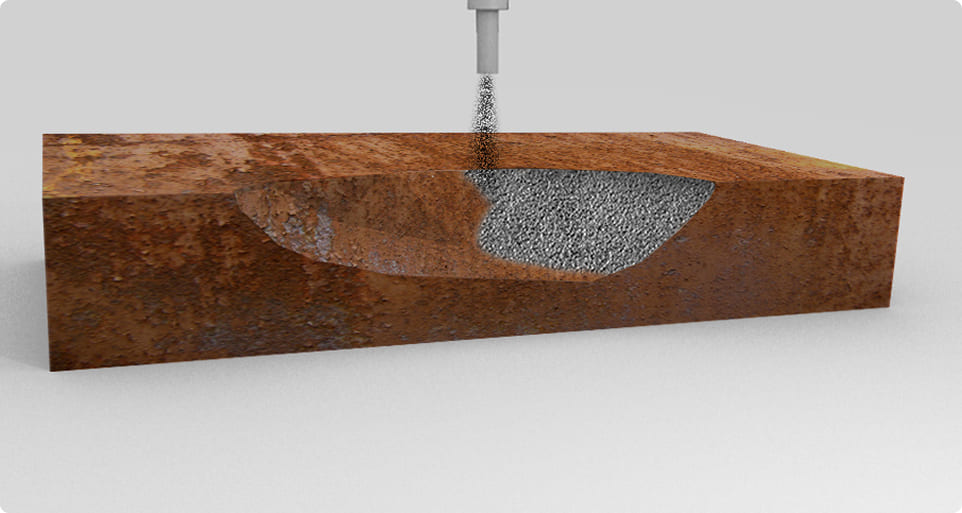
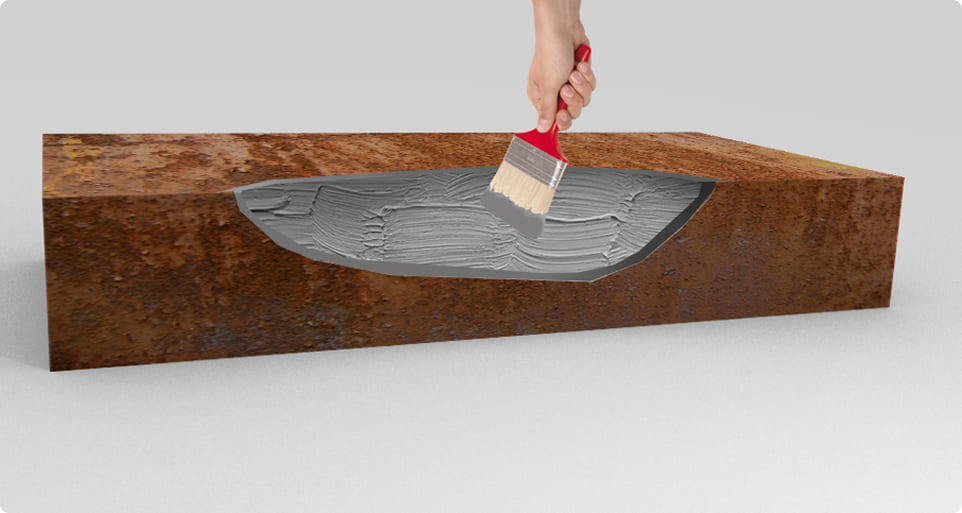
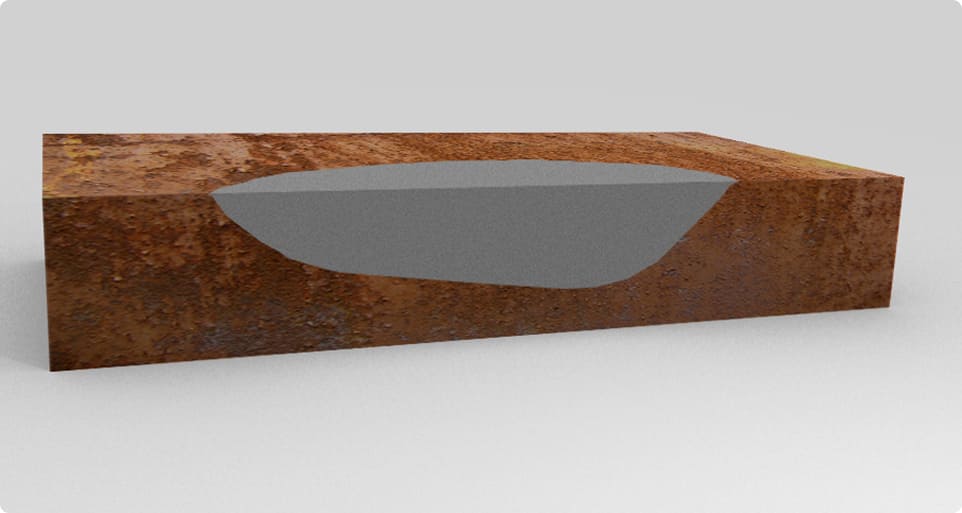
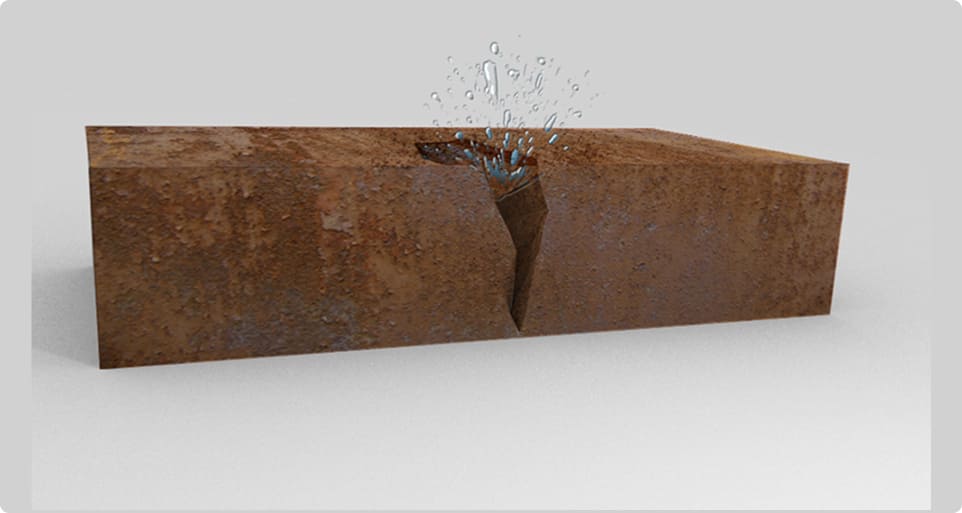
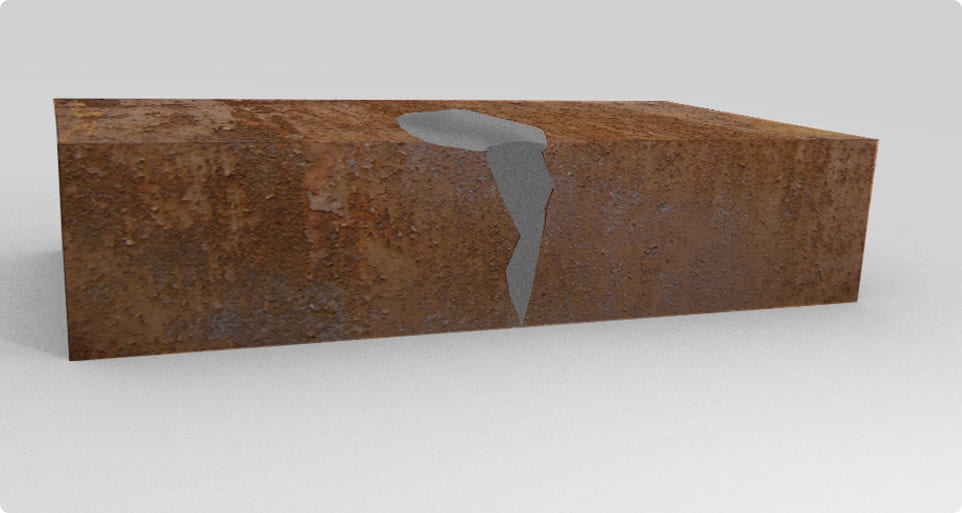
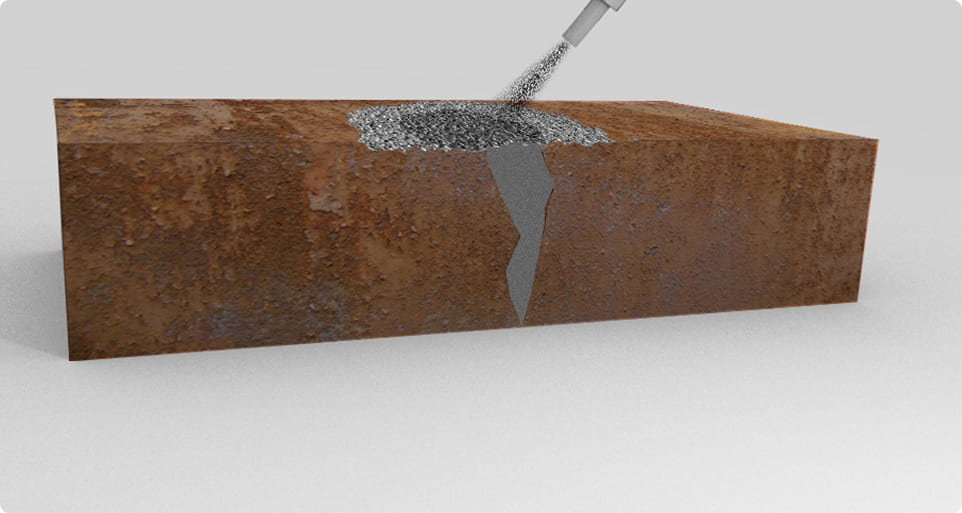
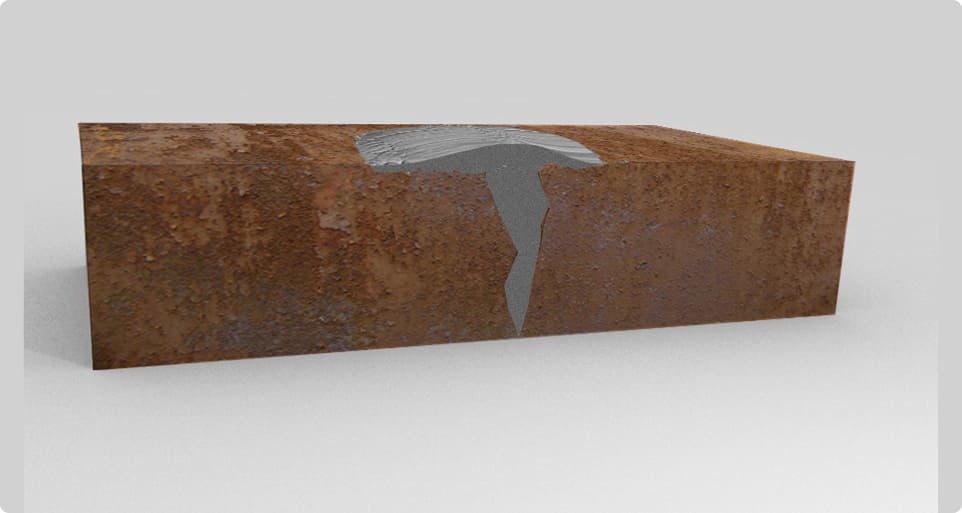
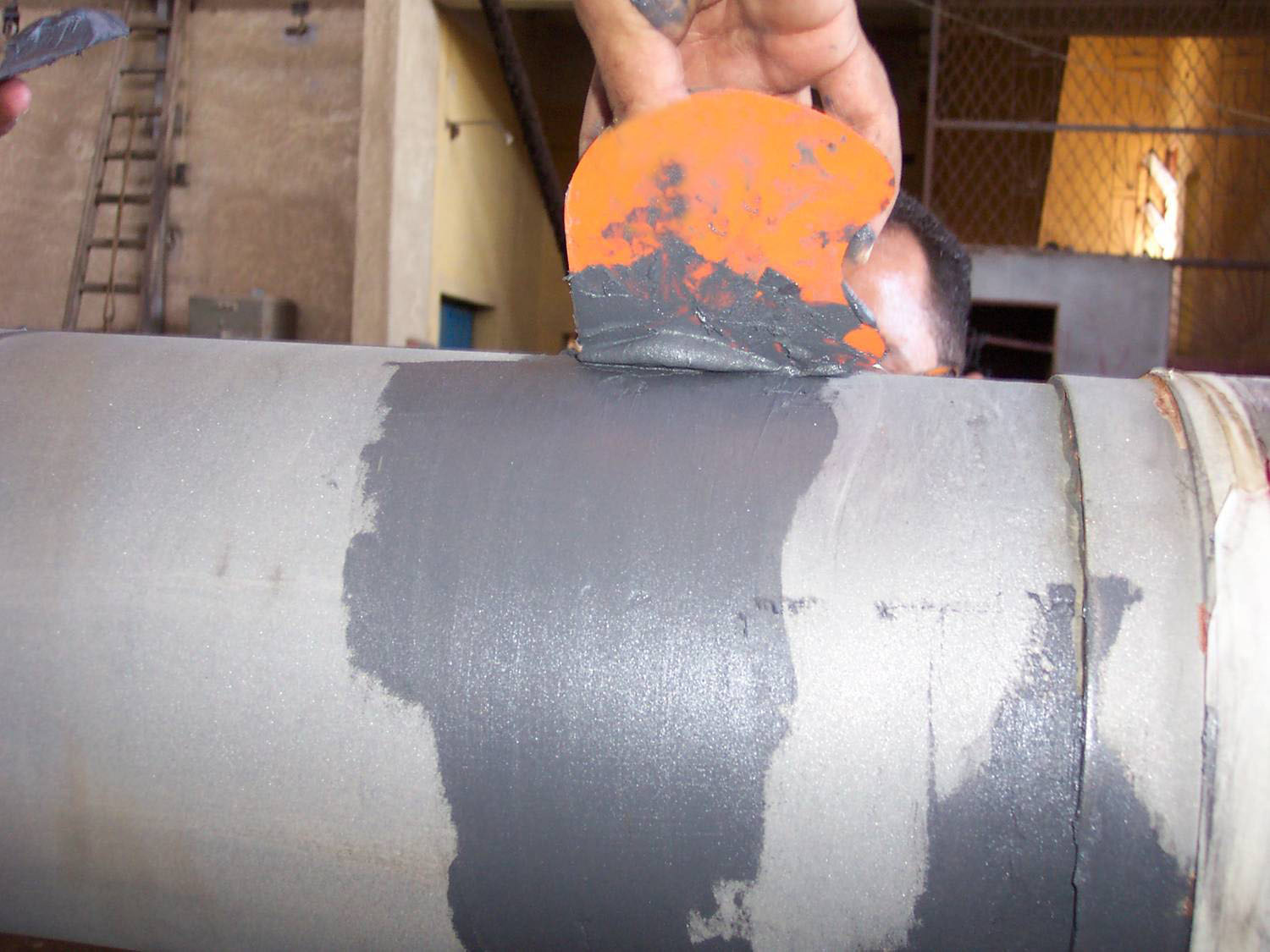
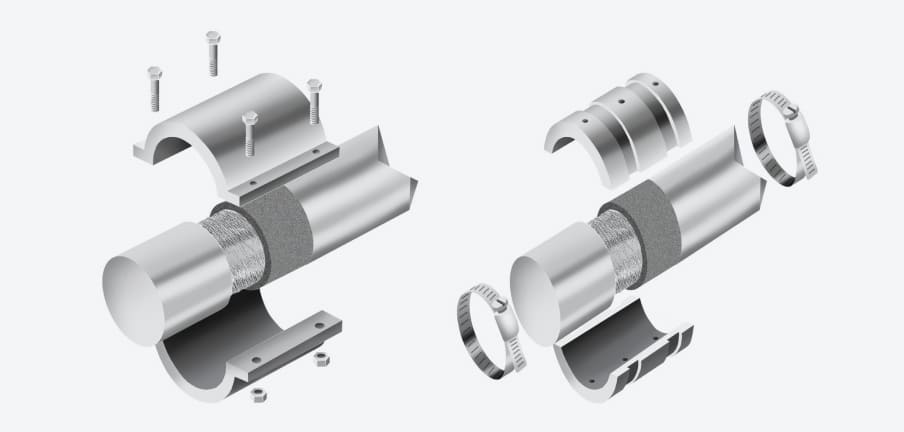
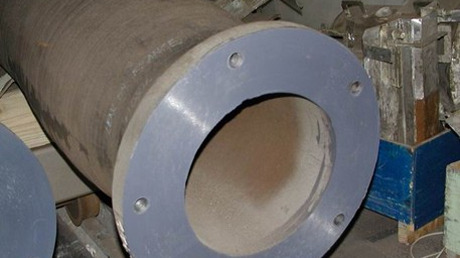
Rebuilding materials are used to restore wall-thickness loss or repair damaged surfaces on both metallic and nonmetallic substrates. These materials are often paired with immersion-service linings to provide complete protection.
Selection depends on several factors, including:
Required chemical resistance
Operating temperature of the substrate
Surface cleanliness and preparation levels
Other application-specific conditions
Surface Preparation
01
Clean, Rough & Dry Substrate
SSPC SP 10 (NEAR WHITE METAL) AVERAGE 3 MIL PROFILE
METAL/CONCRETE/RUBBER
02
Contaminated Substrate
OIL & WATER CONTAMINATION SSPC SP 11 (BARE METAL POWER TOOL CLEANING
ROUGHNESS IS REQUIRED
03
Clean, Rough & Dry Substrate
TS > 160 oF (LIVE APPLICATIONS) SSPC SP 11
IN SITU APPLICATION & QUICK CURING
04
Clean, Rough & Dry Substrate
NOT RECOMMENDED
MECHANICAL ANCHORING IS A MUST
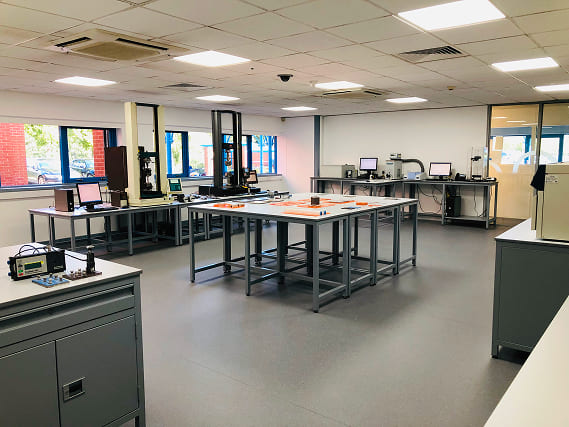
Rebuilding Materials Testing
Mechanical Properties – High Young’s modulus and compressive strength
Erosion Resistance (Taber sliding & impact) with minimum volume loss
Corrosion Resistance – Salt spray for over 1000 hours with no signs of failure
Mechanical adhesion – Pull-off adhesion values as high as 5,200 psi on grit-blasted steel
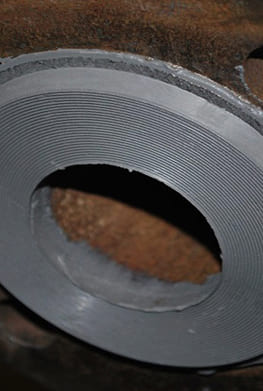
Flange Face Forming
Technique used for retrofitting flange faces damaged by the isolated or combined action of chemical attack, crevice corrosion, galvanic corrosion, and high-pressure steam among others
Key Benefits:
Several rebuilding materials available based on temperature, chemical service, and return-to-service times
No hot work
No need for replacement parts
Simple application
No need for specialized tools
Reusable formers
Short downtime
Damaged Shaft Repairs
Rebuilding materials can be used to repair worn shafts that have been damaged due to misalignment, vibration, corrosion, wear, loss of oil film, and other operating conditions.
Belzona forming technique with rebuilding materials is an attractive alternative to other traditional solutions such as welding, flame spray, or replacement.
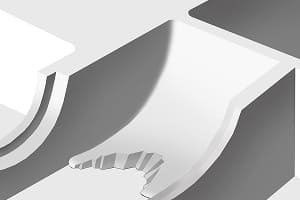
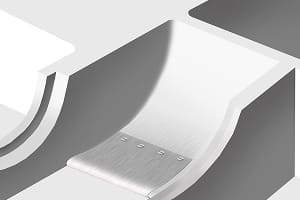
Missing sections or edges require framework to support the Belzona rebuilding material.
Framework can be achieved by bolting or metal plates.
Pump Internals Rebuilding
The internal parts of pumps can also suffer from various forms of erosion, corrosion, or their combined effect.
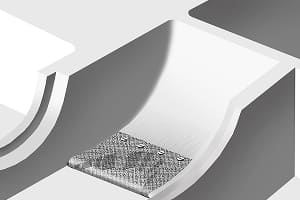
Or by bolting expanded metal.
Rebuilding materials are then used over the framework and templates can be used to check for clearance.
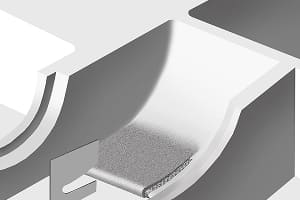
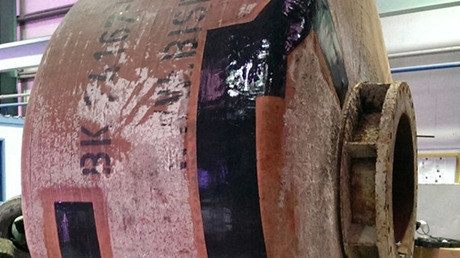
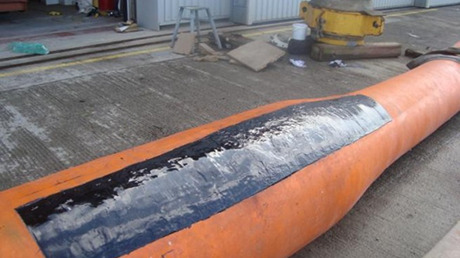
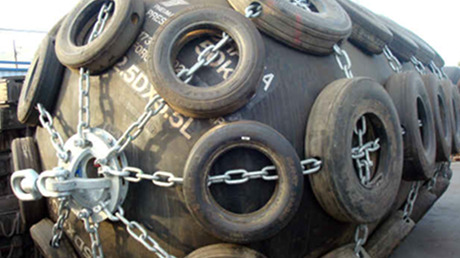
Rubber Repairs
Belzona offers a wide range of rubber repair solutions, addressing issues from erosion and mechanical damage on floating hoses and marine fenders to tears, gouges, and wear on conveyor belts.
Rebuilding
Materials Application Examples
Centrifugal pump vanes suffering from pitting corrosion
Vanes rebuilt with Belzona epoxy materials prior to coating for additional protection
Extensive damaged on rubber fender
Belzona elastomeric solution applied and fender back into service
Damaged concrete supports of effluent water tank at risk of failure
Concrete supports rebuilt with Belzona epoxy magmas and coated for corrosion protection